

Dental Implant vs Bridge: Which Option Is Better for Replacing Missing Teeth?
Losing a tooth can affect much more than your smile. Missing teeth can impact your ability to chew, speak clearly, maintain proper oral hygiene, and preserve your jawbone health. Fortunately, modern dentistry offers effective solutions to restore both function and aesthetics.
Two of the most common options for replacing missing teeth are dental implants and dental bridges. But which one is the right choice for you?
In this guide, we’ll compare dental implants and bridges in terms of procedure, durability, cost, maintenance, and long-term benefits to help you make an informed decision.

Understanding Dental Implants
A dental implant is a small titanium post that is surgically placed into the jawbone to replace the root of a missing tooth. Once the implant integrates with the bone through a process called osseointegration, a custom-made crown is attached to restore the appearance and function of the tooth.
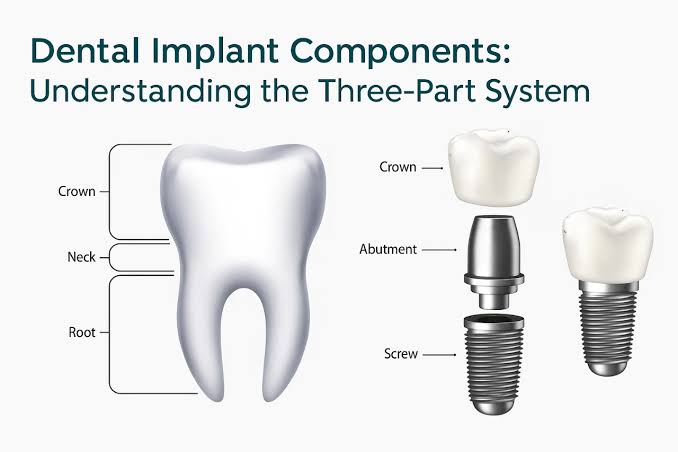

A dental implant consists of three parts:
- Implant fixture (titanium post)
- Abutment (connector)
- Dental crown (visible tooth replacement)
Dental implants can replace a single tooth, multiple teeth, or even support full-mouth restorations.
Understanding Dental Bridges
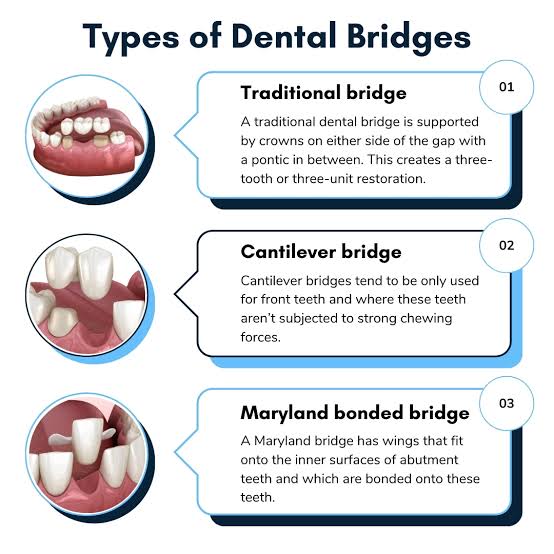
A dental bridge is a fixed prosthetic device used to replace one or more missing teeth by anchoring an artificial tooth (pontic) to the natural teeth on either side of the gap.
Traditional bridges typically involve reshaping the adjacent healthy teeth to support dental crowns that hold the replacement tooth in place.
Types of dental bridges include:
- Traditional bridges
- Cantilever bridges
- Maryland bridges
- Implant-supported bridges

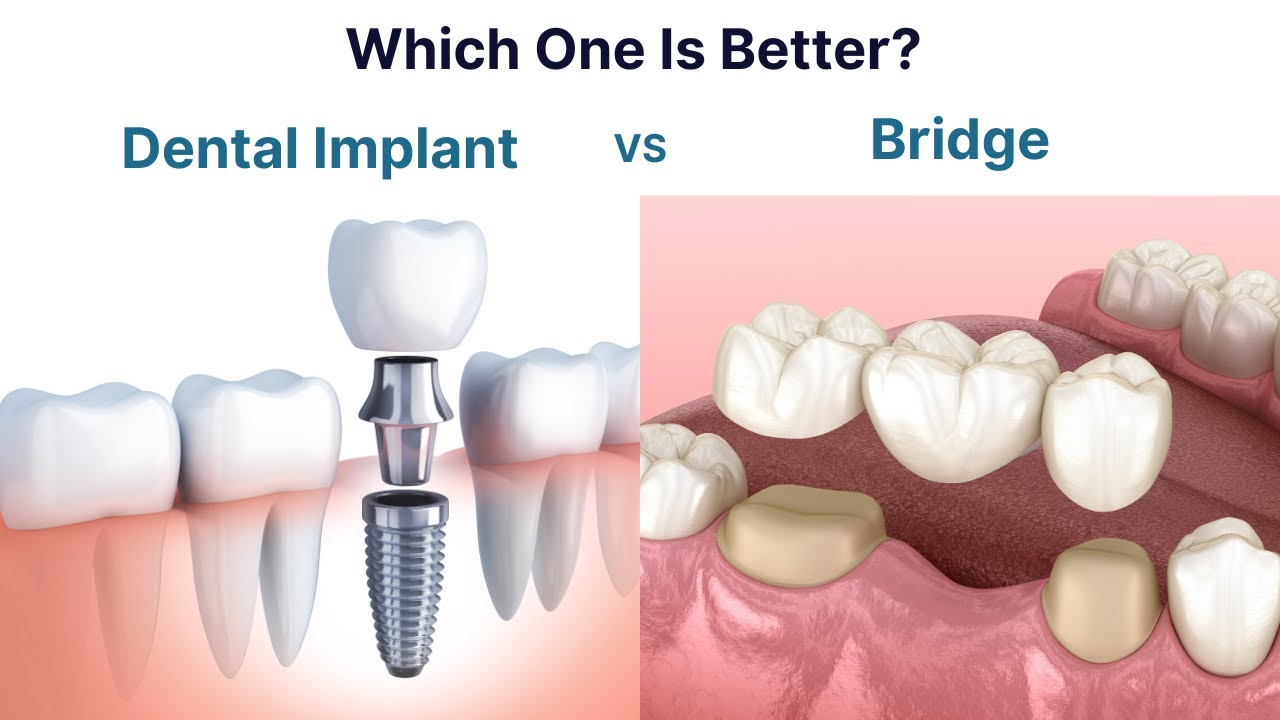
Dental Implant vs Bridge: Key Differences
| Feature | Dental Implant | Dental Bridge |
|---|---|---|
| Replaces tooth root | Yes | No |
| Requires support from adjacent teeth | No | Yes |
| Preserves jawbone | Yes | No |
| Procedure time | Longer | Shorter |
| Lifespan | 15–25+ years | 7–15 years |
| Initial cost | Higher | Lower |
| Maintenance | Similar to natural teeth | Requires special flossing tools |
| Effect on surrounding teeth | Preserves healthy teeth | Requires reshaping adjacent teeth |
Benefits of Dental Implants
1. Preserve Jawbone Health
When a tooth is lost, the jawbone in that area begins to shrink due to lack of stimulation. Dental implants are the only tooth replacement option that mimics the natural tooth root and helps preserve bone density.
2. Protect Adjacent Teeth
Unlike bridges, implants do not require grinding down healthy neighboring teeth.
3. Long-Term Durability
With proper oral hygiene and regular dental check-ups, implants can last for decades and often for a lifetime.
4. Natural Appearance and Function
Dental implants look, feel, and function like natural teeth, allowing you to eat, smile, and speak with confidence.
5. Easy Maintenance
You can brush and floss dental implants just like your natural teeth without needing special cleaning devices.
Benefits of Dental Bridges
1. Faster Treatment
A bridge can usually be completed within a few weeks, whereas implant treatment may take several months.
2. Lower Initial Cost
Bridges generally require a lower upfront investment than implants.
3. Suitable for Certain Medical Conditions
Patients with insufficient jawbone, uncontrolled systemic conditions, or those unable to undergo minor surgery may be better candidates for a bridge.
4. Non-Surgical Procedure
Dental bridges do not require surgical placement, making them a preferred option for some patients.
What Are the Limitations?
Dental Implants
- Higher initial cost
- Requires minor oral surgery
- Longer treatment timeline
- May require bone grafting in cases of bone loss
Dental Bridges
- Requires reduction of healthy adjacent teeth
- Does not prevent bone loss
- Higher risk of decay or gum disease around supporting teeth
- Usually needs replacement sooner than implants
Which Option Is More Cost-Effective?
Although dental implants typically have a higher upfront cost, they often prove more economical over time due to their longevity and lower maintenance requirements.
Bridges may appear less expensive initially but may need replacement after several years, potentially increasing long-term costs.
When evaluating treatment options, consider the total lifetime value rather than just the initial expense.
Who Is an Ideal Candidate for Dental Implants?
You may be a good candidate for dental implants if you:
- Have one or more missing teeth
- Have healthy gums
- Possess adequate jawbone density
- Do not smoke or are willing to quit during treatment
- Are in good general health
Who Should Consider a Dental Bridge?
A dental bridge may be appropriate if you:
- Need a faster tooth replacement option
- Prefer a non-surgical treatment
- Have insufficient jawbone and are not interested in bone grafting
- Have adjacent teeth that already require crowns
So, Which Option Is Better?
There is no one-size-fits-all answer.
For most patients, dental implants are considered the gold standard for replacing missing teeth because they preserve jawbone health, protect adjacent teeth, and provide exceptional long-term outcomes.
However, a dental bridge can still be an excellent solution for patients seeking a faster, more affordable, or non-surgical option.
The best choice depends on several factors, including:
- Your oral health
- Number and location of missing teeth
- Bone quality
- Budget
- Medical history
- Personal preferences
A comprehensive dental evaluation, including digital X-rays or a CBCT scan, is essential to determine the most suitable treatment plan.
Frequently Asked Questions
Are dental implants painful?
Implant placement is performed under local anesthesia, and most patients report minimal discomfort that can be managed with prescribed medications.
How long do dental implants last?
With proper care, dental implants can last 15 to 25 years or longer.
How long does a dental bridge last?
Most dental bridges last between 7 and 15 years, depending on oral hygiene and regular dental maintenance.
Can I replace multiple missing teeth with implants?
Yes. Multiple implants or implant-supported bridges can replace several missing teeth effectively.
Is a bridge cheaper than an implant?
Yes, bridges usually have a lower initial cost. However, implants may offer better long-term value due to their durability.
Restore Your Smile with Confidence
If you’re considering tooth replacement options, our experienced dental team can help you choose the solution that best fits your needs, lifestyle, and budget.
Schedule a consultation today to learn whether a dental implant or bridge is the right choice for your smile.